
SHORTCUT
Hey, aspiring artist - let’s talk about the music industry’s dirty little secret. You’re chasing a dream, pouring your soul into every lyric, every beat. You think a label deal is your golden ticket. But what if I told you it can be a trap that keeps you broke and dependent? I’m going to show you how this happens with real-world stories - then I’ll show you how SHORTCUT can set you free.
The Label Trap:
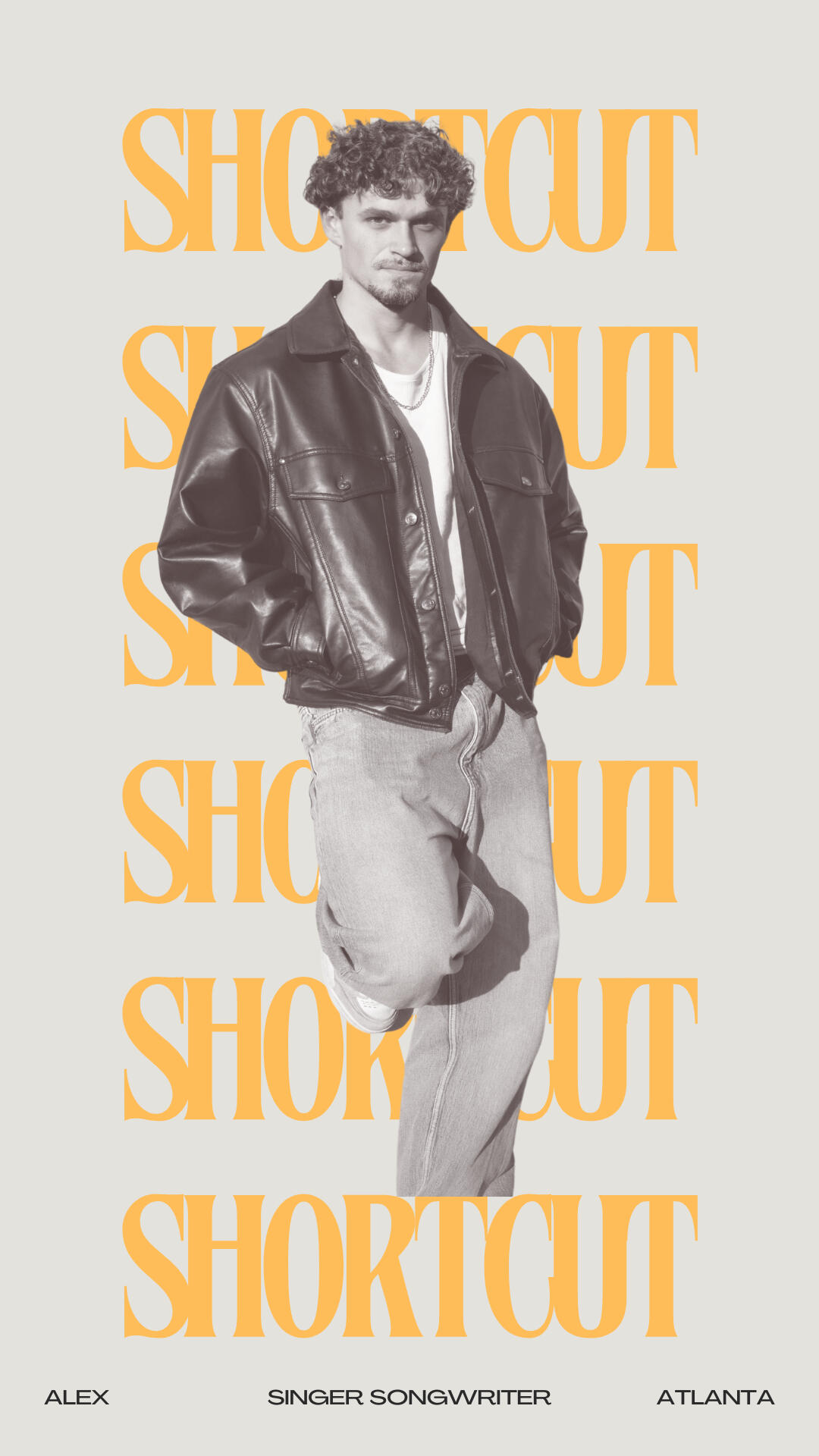
Alex’s Story
Let’s meet Alex, a 21-year-old singer-songwriter from Atlanta. He’s got a voice that stops you in your tracks and songs that hit you right in the chest. In 2018, a mid size independent label scouts him at a local gig. They dangle the dream: “We’ll make you a star.” They sign him up and kick things off with a splash - funding three music videos at $5,000 each. That’s $15,000 right out the gate. Alex is buzzing - someone’s finally investing in him.
Fast forward three years...
Alex has dropped six singles, each with a slick video, racking up a total of $30,000 in “label support.” He’s hustling, building a fanbase, but his bank account? Empty. That’s when he digs into the fine print and realizes the truth: the label wasn’t paying for anything - they were lending. Every dollar they “invested” is a debt he owes them. They’re not his benefactor; they’re his bank.
Here’s the gut punch:
Alex only gets 20% of his music’s revenue. The label takes 80%. So, that $30,000 debt? He’s paying it back with his measly 20% share. Let’s do the math:• To clear $30,000 from his 20%, his music needs to generate $150,000 total (because 20% of $150,000 = $30,000).• For every $1 his songs earn, he gets 20 cents - and that 20 cents has to cover his rent, food, and the debt.
But it gets worse...
To stay relevant, Alex has to keep releasing music monthly - new tracks, new videos, new promo. Each release piles on more expenses. By year five, his debt’s ballooned to $50,000. His streams are climbing - he’s hitting millions - but he’s still broke. Why? Because his 20% can’t keep up with the debt spiral. He crunches the numbers: at this rate, it’ll take another five years just to break even. Ten years total before he sees a dime of profit. In the meantime, he’s slinging coffee at a side gig to survive.
And here’s the dirtiest twist:
The label isn’t even risking their own cash. They’re borrowing from third-party companies - middlemen who front advances to labels for a cut of the profits, often with interest. The label plays “bank” without putting up a penny of their own, skimming 80% while Alex drowns.This isn’t fiction - it’s the reality for countless artists who sign early and don’t see the trap until it’s too late.
Another Example:

Mia’s Wake-Up Call
Now meet Mia, a 19-year-old rapper from LA. She’s got bars for days and a DIY hustle that lands her a label deal in 2020. They promise her the world: studio time with big-name producers, a $10,000 video shoot, and a marketing push. She’s hyped - her SoundCloud days are over.
Two years later...
Mia’s got three tracks out, a growing buzz, and a debt tab of $40,000. The label’s “generosity” came with the same 80/20 split. Her songs are pulling 500,000 streams each, but after streaming platforms take their cut, she’s left with peanuts - about $1,500 total from her 20%. That’s nowhere near enough to touch her debt. She’s locked in, releasing music to keep the momentum, but every drop adds $5,000-$10,000 to her tab. She’s trapped in a hamster wheel, running faster just to stay in place. Only a hit can save her.
Mia confronts her label rep:
“How am I still broke with half a million streams?” The answer? “Keep grinding - once you pay us back, you’ll start earning.” She does the math: at her current pace, she’s looking at seven years to clear the debt. Seven years of giving 80% to a label that’s just a glorified loan shark, funded by third-party cash they don’t even own.
The Industry Uncovered
Labels aren’t in the creative business ...
...they’re in the business of making money, and you really can’t fault them for that. Often, the terms of a deal are complex, and it’s the lack of understanding on the part of many young artists that leads to less-than-ideal outcomes. When you sign without fully grasping the details, you might find yourself in a situation where, despite the upfront support, the financial structure of the deal ultimately means you're shouldering more of the burden. It’s a reminder to fully understand the fine print - so you can make choices that truly serve your long-term artistic and financial freedom.
Build Like a Startup: The Indie Advantage
Here’s the secret labels won’t tell you:
you don’t actually need them. At least not in the early stage of a career. Success in music isn’t about a fairy-tale deal - it’s about building smart and staying lean. Treat your career like a startup:
Keep Expenses Low:
No need for flashy, $5,000 videos unless they really pay off.
Maximize Revenue:
Own your music and keep your share. Start building your catalog.
Release Consistently:
Grow your fanbase over time, one track at a time.
And let’s be real
it’s not like the old days when you had to record in an expensive, fancy studio.
Today
it’s all about creativity and authenticity, whether you’re making TikToks or curating your online presence. Labels might say “do more TikToks,” but distribution is open to everyone now, and organic promotion is essentially free. Great music can start with just a laptop and a cheap mic in your bedroom.
Jona’s Winning Play
Then there’s Jona
a producer-artist from Berlin who’s cracked the code. He writes, produces, mixes, and masters his own tracks, keeping costs low at $200 per song (software and promo). Using a system like SHORTCUT, he releases a new song every month. Two years in, he’s hit 500,000 monthly listeners on Spotify, pulling in
$5,000-$7,000 a month
just from streaming, not counting merch, gigs or brand deals. No debt, full creative control, and a thriving career. Jona’s living proof that with the right approach, you can make a great living song by song.
When Labels Actually Make Sense
Labels aren’t the bad guys
I work with them too! There are solid reasons to sign, especially when you’ve already built some momentum:
Expanding Your Reach:
If you’ve got a fanbase and steady growth (say, 10% more streams each month), a label can take you further - think bigger promo budgets, broader networks, or collabs with top talent.
Upfront Cash:
An advance can be a game-changer. Let’s say you’re projecting your next three years of streaming income based on conservative growth. You can calculate what you’ll earn, weigh it against the advance, and use that money to take a break, write an album, or fund a tour. It’s a calculated risk that can pay off.
The catch?
Labels work best when you’ve got leverage. Sign too early, and you might give up more than you gain. It’s not about avoiding labels - it’s about partnering smart.
The Real Danger: Mindset
Here’s the thing:
the biggest trap isn’t labels - it’s how young artists think about them. Too many believe a deal is a golden ticket, a gift from a gatekeeper who’ll make them a star. But the truth is, you’re always the one building your career.
Labels can help
but they’re businesses first. If you don’t understand the game, you’re at a disadvantage - whether you sign or stay indie.